

Why Upscale Homes in Mature Neighbourhoods Are Often Mispriced
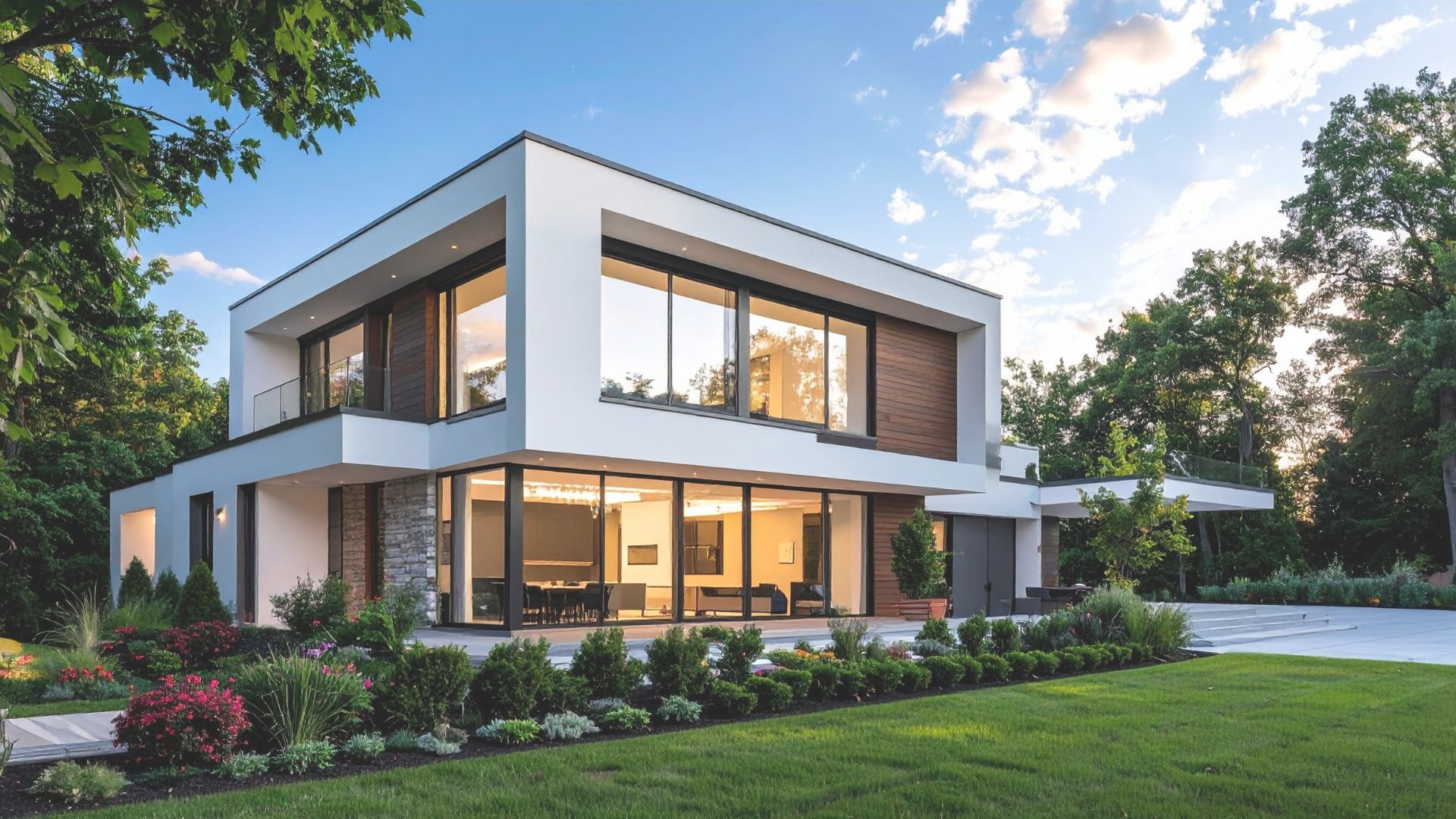
Selling an upscale home in an established neighbourhood isn’t difficult because the market is weak. It’s difficult because these homes are rarely comparable in any clean way.
In areas like Glenora, Crestwood, Windsor Park, Parkview, or Laurier Heights, no two homes sit on identical lots. Renovations vary wildly. Some properties are fully rebuilt. Others are beautifully maintained originals. Some streets carry more weight than others — even within the same community.
And yet pricing conversations often start with, “What did the one down the street sell for?”
That’s usually where things go sideways.
“Best on the Block” Isn’t Always a Pricing Strategy
It’s common for sellers to feel they have the nicest home nearby — and often they’re right.
The issue is that buyers don’t pay for “best on the block” in a vacuum. They compare your home to everything available in your price bracket across multiple mature neighbourhoods.
If you stretch too far past what buyers expect for that range, they don’t argue with you. They just move on quietly.
That’s how listings sit without obvious feedback. Nothing seems wrong — but momentum never builds.
Renovation Cost Is Not the Same as Market Value
This is probably the biggest disconnect.
Just because a renovation cost $800,000 doesn’t mean the market sees $800,000 in added value.
Buyers tend to:
-
Credit structural improvements
-
Credit layout efficiency
-
Credit timeless design
They discount:
-
Highly personalized finishes
-
Overbuilt features that don’t improve function
-
Design choices that narrow the buyer pool
It’s not that buyers are unfair. It’s that they’re practical. Especially at higher price points.
Land Value Carries More Weight Than Most People Realize
In established communities, land is often the quiet driver of value.
Lot width. Depth. Orientation. Backing onto a ravine. Sitting mid-block versus on a busier edge.
Two homes with similar interiors can trade very differently because the land tells a different story.
Ignoring that — or assuming the structure does all the heavy lifting — leads to pricing gaps that are hard to recover from.
Emotional Attachment Clouds Objectivity
Homes in mature areas often have history. Years of upgrades. Family milestones. Careful decisions layered over time.
That creates pride — which is understandable.
But buyers don’t inherit that history. They see what fits their life now.
My job in these situations is usually to gently separate emotional value from market value. Not to diminish what the home means — but to make sure pricing reflects how it will be judged.
Overpricing at the Start Is Harder to Fix Later
In higher price brackets, serious buyers are watching from day one.
If a property feels optimistic out of the gate, they don’t rush in hoping for a deal later. They simply wait.
And when price reductions come, they don’t restore confidence — they often confirm hesitation.
Starting in the right range matters more here than in entry-level markets.
Where This Leaves Us
High-end homes in established neighbourhoods don’t need hype.
They need:
-
Clear positioning
-
Realistic comparison
-
Patience when appropriate
-
And honesty early in the process
There’s nothing formulaic about pricing in these communities. It requires interpretation — not just pulling the last three sales and averaging them. That’s the part most people underestimate.